[ad_1]
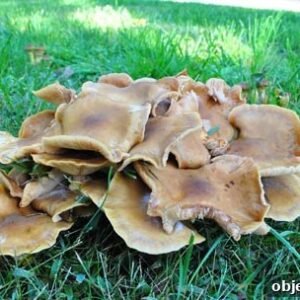
We all enjoy a tidy yard and pleasant surprises—but a sudden cluster of mushrooms is rarely the kind of surprise anyone wants. What first looked like a pile of leaves knocked down by the rain turned out to be a dense mass of mushrooms that appeared in under 24 hours. While impressive from a natural-history perspective, it’s not exactly the curb appeal most homeowners aim for.
Why Mushrooms Pop Up So Quickly
Mushrooms are the fruiting bodies of fungi, and they can emerge very rapidly when conditions are right. Warm temperatures, recent rain, and moist organic material in the soil or beneath the turf create an ideal environment. If your lawn has decaying wood, thatch, or buried organic matter, fungi can establish underground mycelium for a long time and then fruit explosively when moisture and temperature align.
Assess the Situation
First, identify whether the mushrooms are limited to a single patch or if multiple blooms are appearing across your yard. Single clumps often indicate localized organic material such as buried mulch, tree roots, or a decaying stump. Widespread mushrooms might point to a more general soil condition or recent heavy rains.
Simple Removal Methods
For an immediate cleanup, mushrooms can be removed by hand or with a rake. Wearing gloves is a good practice, as some species can irritate the skin. Pulling or cutting them at the base will remove the visible fruiting bodies, but it won’t eliminate the underlying mycelium. After removing the mushrooms, dispose of them in a sealed bag rather than composting, especially if you have pets or children, because some species are toxic.
Cleaning Up the Area
Once the visible mushrooms are gone, rake the area to remove remaining pieces and increase surface airflow. If the patch was caused by decaying wood or buried organic debris, consider excavating and replacing that soil with fresh topsoil. Aerating the lawn and improving drainage will help the soil dry more quickly after rains, making conditions less favorable for fungal fruiting.
Preventing Recurrence
- Remove or replace old mulch and buried wood that can provide food for fungi.
- Improve lawn drainage and avoid overwatering; water deeply and infrequently rather than shallow daily watering.
- Reduce thatch buildup by dethatching or aerating your lawn periodically.
- Maintain healthy turf through proper fertilization and mowing practices to allow grass to outcompete fungal growth.
When to Seek Professional Help
In most cases a mushroom bloom is an occasional cosmetic issue rather than a serious lawn disease. However, if you have recurring fungal outbreaks across large areas of your yard, or if tree roots and structural wood are being affected, consult a local lawn care professional or arborist who can evaluate the underlying cause and recommend targeted treatments.
Keep it Natural—and Safe
It’s easy to admire the quick spectacle of a mass of mushrooms—after all, nature can be impressive—but safety and aesthetics matter too. Removing the fruiting bodies, addressing underlying organic debris, and improving soil conditions will help prevent future surprises. And while I can appreciate the wonder of an overnight mushroom surge, I prefer mine to stay out of my lawn.
Pssst—Sherry here: ten points to anyone who spots the hidden mushroom pun my cheesy husband slipped into the original post.
[ad_2]