[ad_1]
We thought frozen pipes were a concern we’d left behind when we moved to Florida, but last month’s arctic blast dropped temperatures into the low 20s for three nights in a row, with an all-time low of 18 degrees — a rare event for our area in Northwest Florida.
Florida homes here are not always built for prolonged freezing temperatures, so frozen pipes quickly become a real risk. When water freezes it expands, and that expansion can crack or burst pipes, leading to leaks and flooding. With a few straightforward precautions, though, we managed to avoid any plumbing damage. Many neighbors weren’t so lucky — several experienced burst pipes — so we’re grateful the measures we took protected our home. Below are five practical steps we used, plus a plumber’s tip that saved our outdoor shower.
Tip 1: Identify Vulnerable Pipes
Start by walking your home and noting plumbing that’s most likely to freeze. Prioritizing these spots helps you focus your efforts. Common vulnerable locations include:
- Outdoor fixtures such as hose bibs and outdoor showers
- Pipes in unconditioned spaces like garages, attics, and crawl spaces
- Plumbing on exterior walls
- Pipes isolated from heat sources, for example inside cabinets or closets
- Pipes exposed to wind, as on docks
- Any uninsulated pipe runs
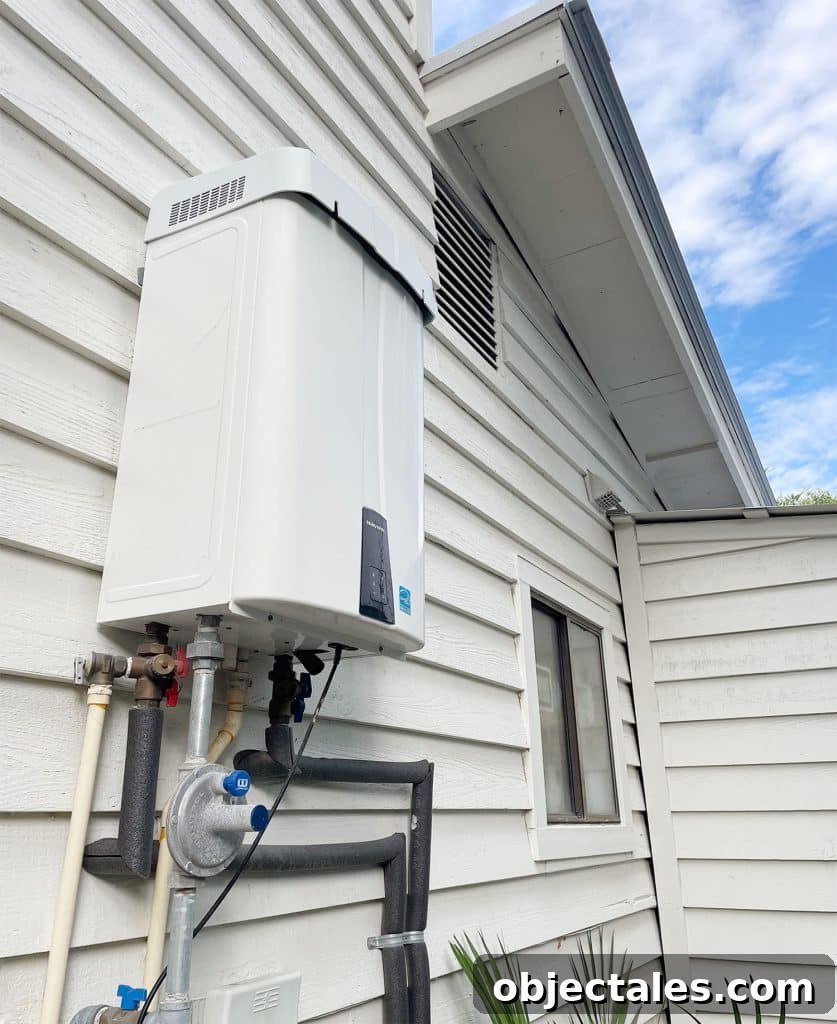
For us, exterior plumbing was the main concern: the water heater, outdoor shower, and hose bibs. Interior plumbing felt less at risk because we have a whole-house generator and expected to maintain heat, but interior pipes in uninsulated attics, garages, or basements can still freeze and should be checked.
Tip 2: Add Pipe Insulation
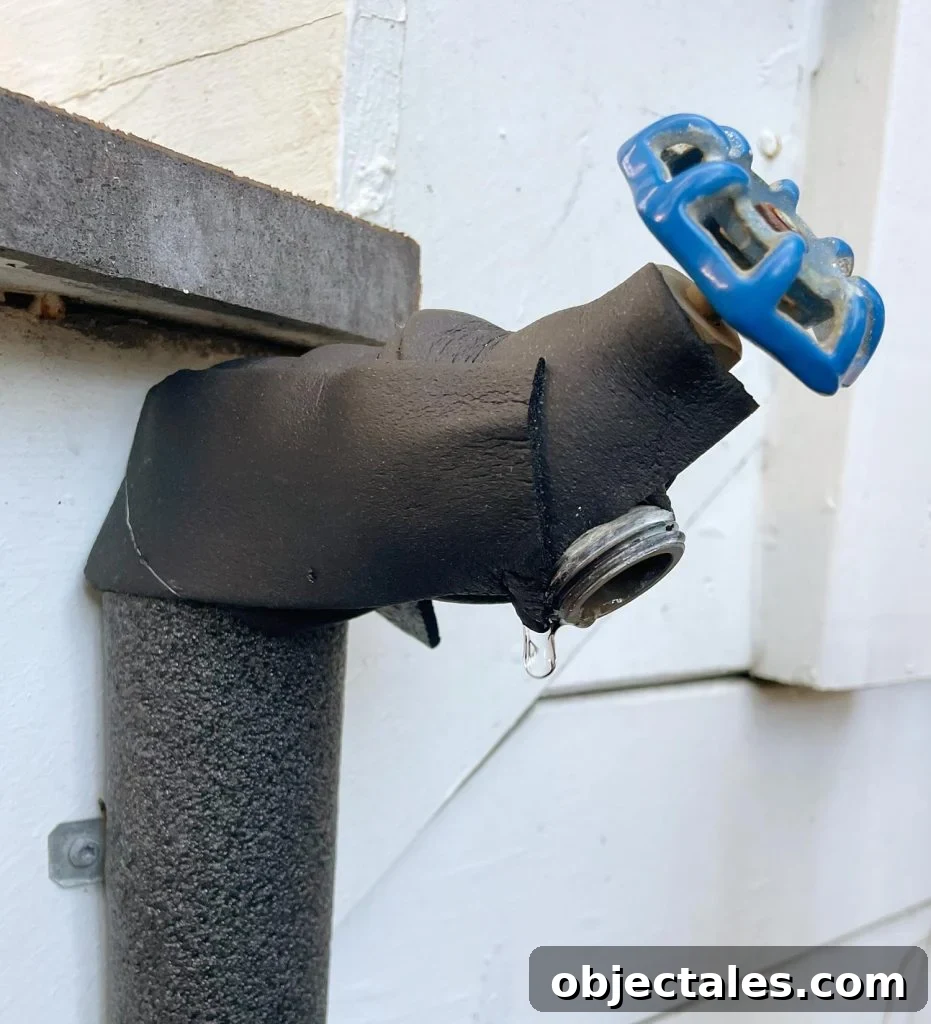
We found several exposed pipe runs and insulated them quickly. Self-sealing foam tubular insulation is inexpensive and simple to install — it took about 15 minutes to cover the unprotected outdoor pipes. Where full tubes wouldn’t fit, adhesive insulating tape worked well on tight spots and hose bib fittings.
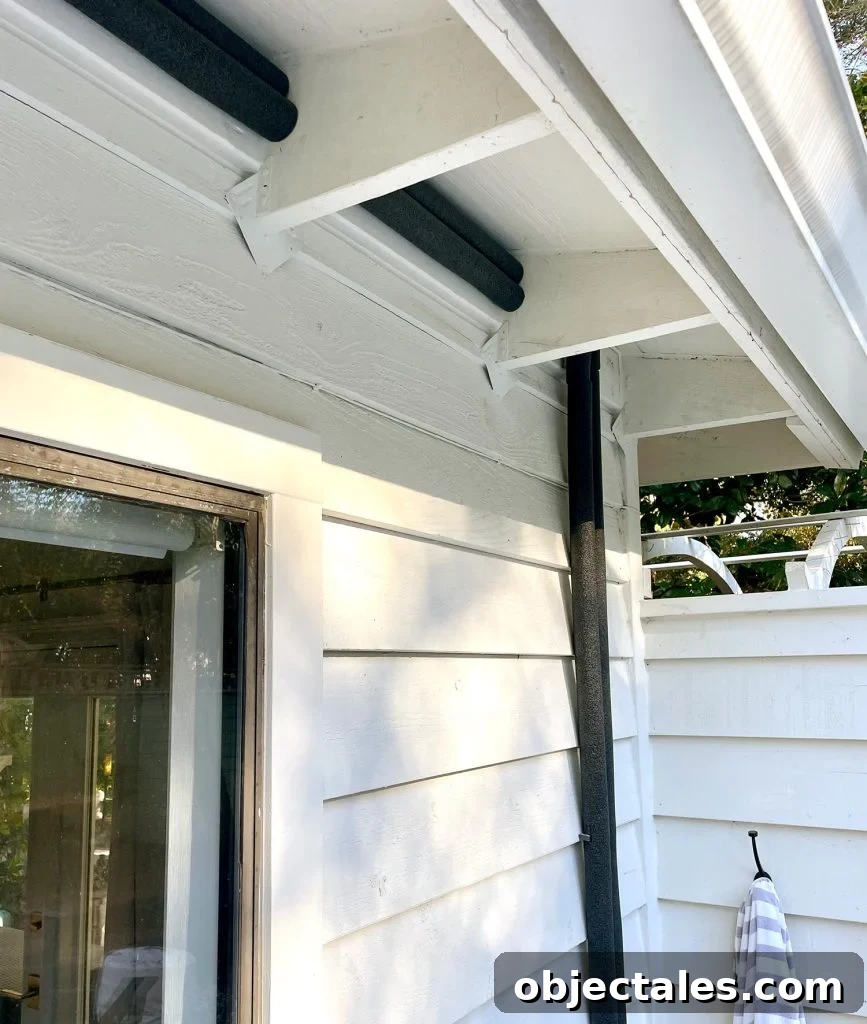
We also checked attic plumbing. Blown insulation can shift and leave sections of pipe exposed, so brushing insulation back into place is a quick, effective fix. Even pipes inside the home can freeze if they’re uninsulated and located in a cold attic, garage, or crawl space.
Tip 3: Let Faucets Drip
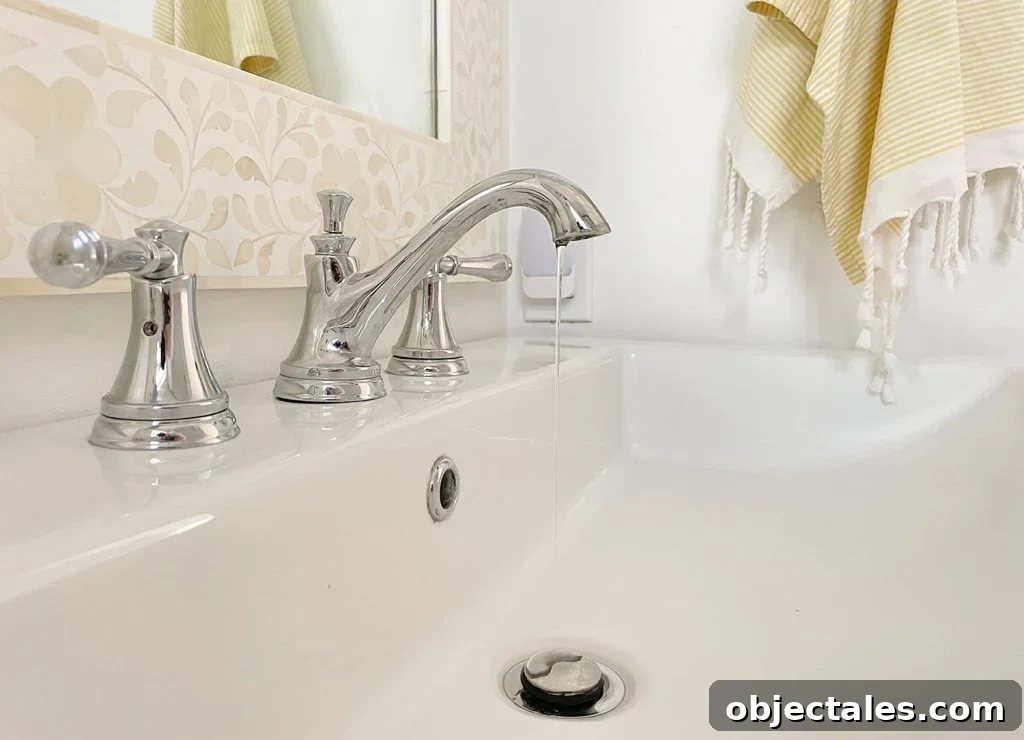
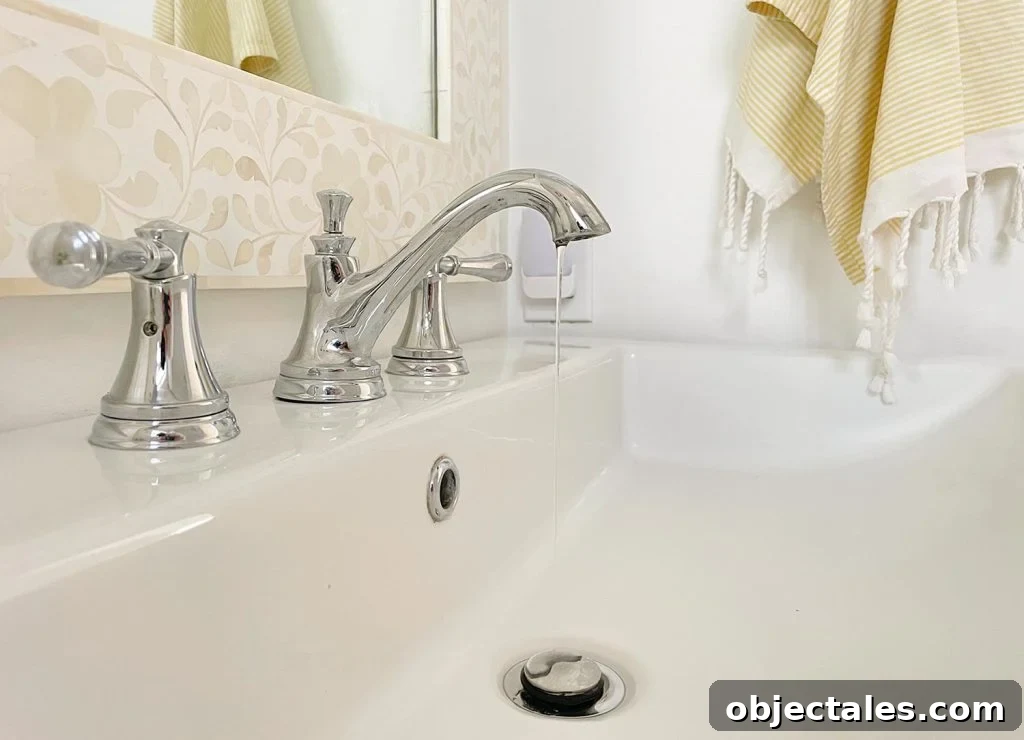
Keeping water moving reduces the chance it will freeze. Allowing a small, continuous trickle through both the hot and cold lines is an effective and low-effort strategy. We opened bathroom and kitchen faucets to a light drip and made sure the hot and cold lines were both flowing — an often-overlooked detail that prevented several nearby failures.
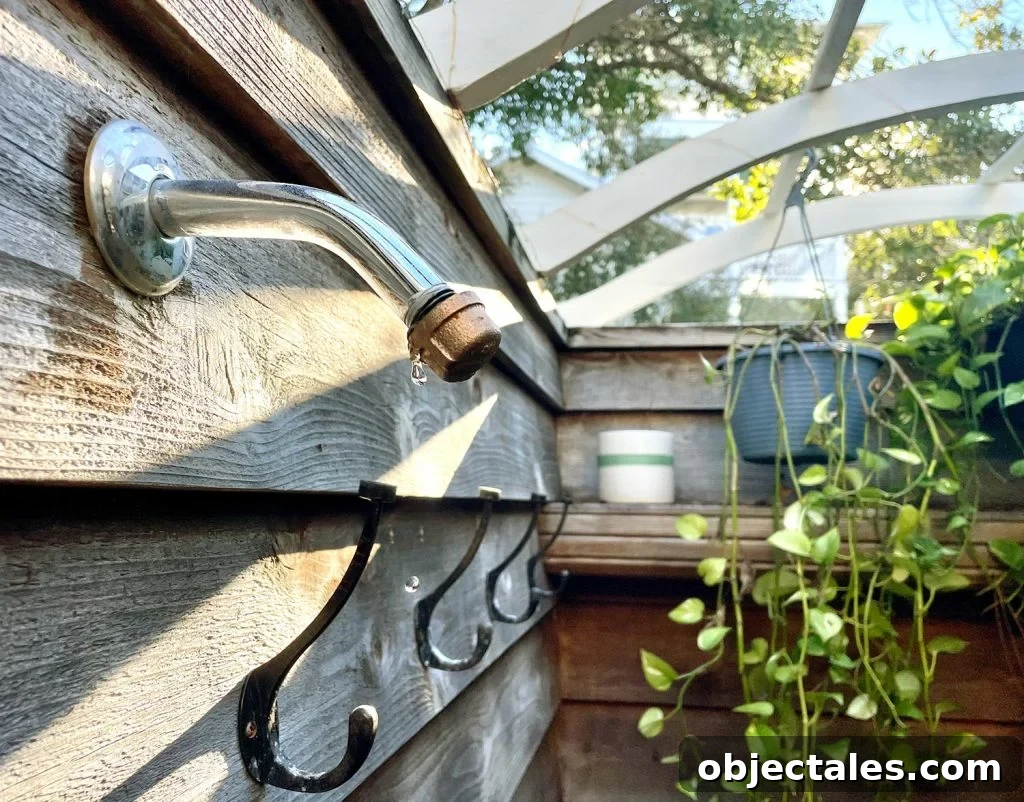
Our outdoor shower needed a different approach because fully running the shower for days wasn’t practical. A local plumber suggested removing the showerhead and placing a cap on the shower arm, tightened by hand so a small amount of water could still drip out. We set the control to a middle temperature so both hot and cold lines had slight flow without spraying water constantly. We monitored these fixtures for ice buildup and placed reminders so family members wouldn’t shut them off accidentally.
Although it feels wasteful, the water loss from dripping is minimal compared to the cost and damage of a burst pipe. Many sources estimate only a few cents per faucet per day, and that small amount is worthwhile insurance against major repairs.
Tip 4: Shut Off and Drain When Appropriate
If you can shut off water to vulnerable sections — for example, an outdoor shower or irrigation line — that is an excellent option, especially if you’ll be away and can’t monitor dripping faucets. After shutting off a supply, always relieve pressure by opening the lowest fixture (often an outdoor hose bib) until the flow slows. This removes standing water that could freeze and still cause damage.
Tip 5: Pool Equipment Often Holds Up
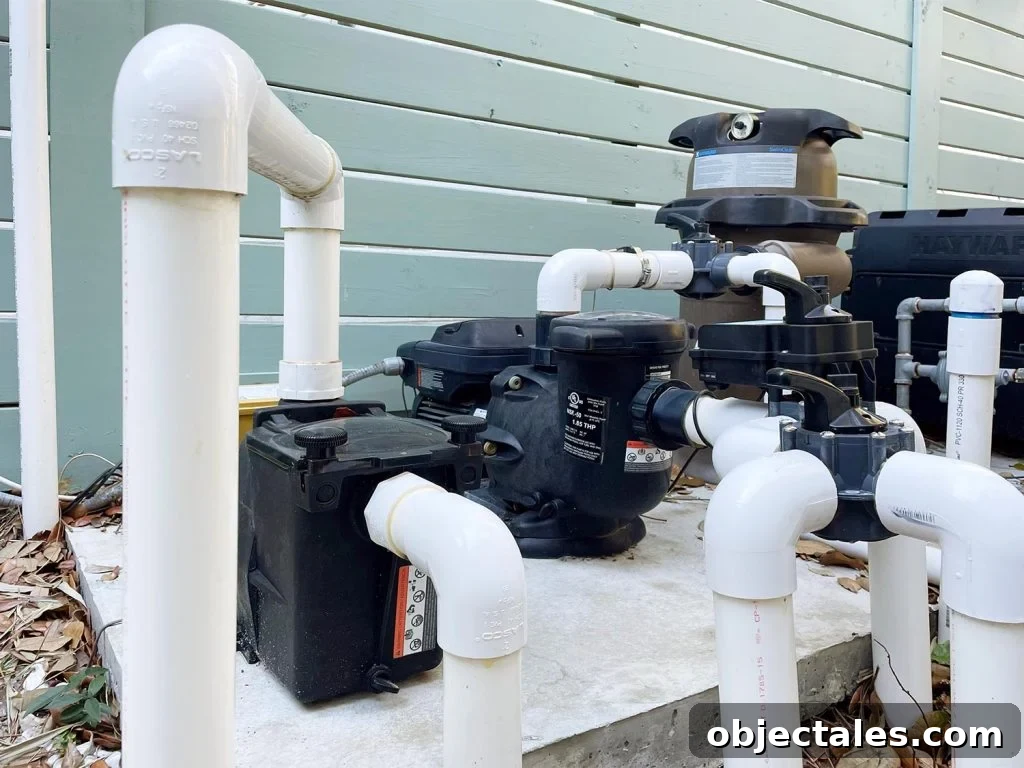
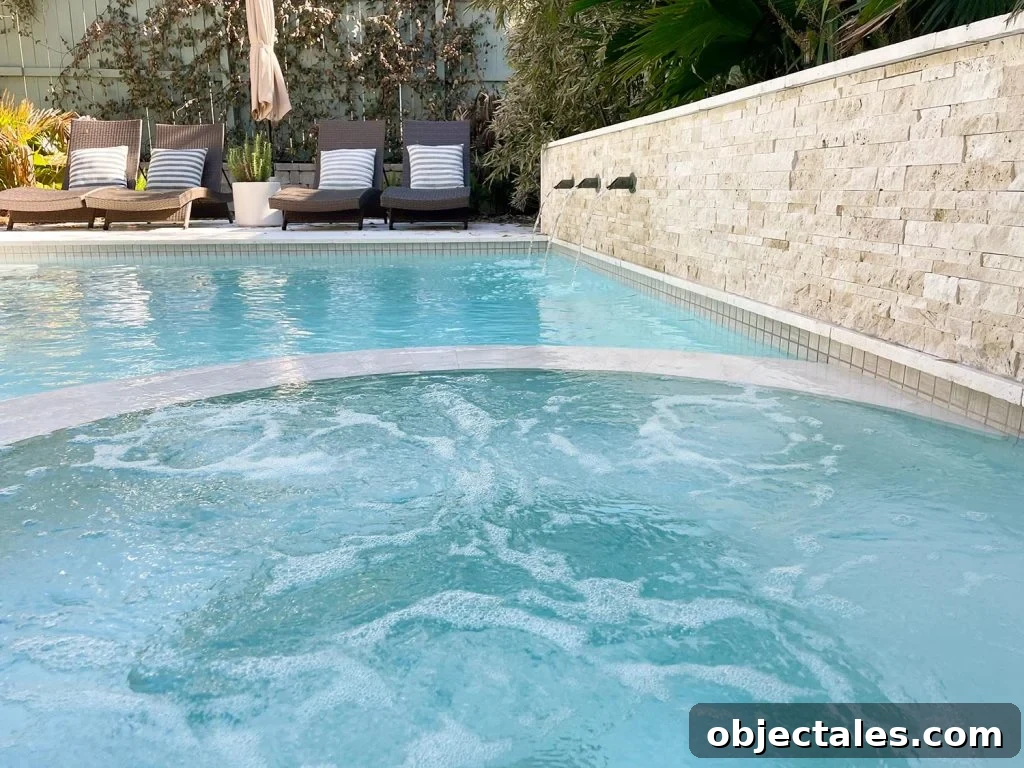
Our pool was a concern because many of the exposed PVC lines looked vulnerable. After consulting our pool service, we learned our system has a “freeze protect” feature that cycles pumps and equipment when temperatures drop, keeping water moving. Even without that automation, manually running pumps and ensuring circulation will usually prevent pipes from freezing solid. We kept an eye on the fountains and spa jets to confirm operation, but the system largely protected itself during the cold snap.
Tip 6: No Method Is Foolproof
These precautions greatly reduced our risk, but no approach guarantees absolute protection in every situation. Still, taking these measures — identifying vulnerable pipes, insulating exposed runs, dripping faucets, shutting off and draining when possible, and ensuring pool circulation — gave us confidence and, in our case, prevented any plumbing damage during this unusually cold event.
Additional Cold-Weather Preparations
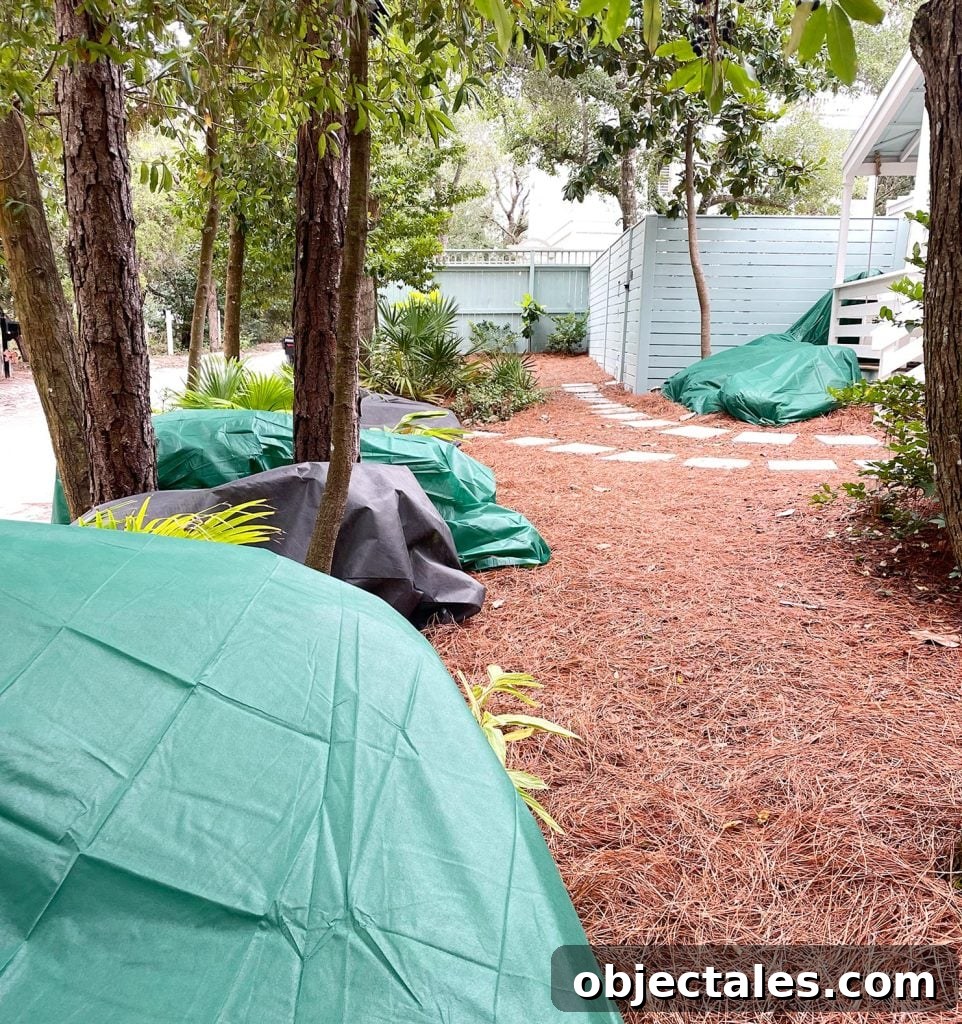
Along with plumbing precautions, we took steps to protect outdoor plants and other vulnerable items around the yard. If you expect a hard freeze, consider insulating or covering sensitive plants and checking systems like irrigation and pool equipment beforehand. If your heat goes out, prioritize keeping interior pipes warm or shutting off and draining affected sections of plumbing to avoid bursts.
Taking a few proactive steps before a cold snap can save a lot of hassle and expense afterward. We’re glad we prepared and encourage others in similar climates to check vulnerable plumbing, add insulation, and keep water moving during freezes to minimize the risk of burst pipes.
[ad_2]