TL;DR:Not every shader needs vibrant, oversaturated colors to look amazing. Discover subtle, atmospheric shader packs like Stracciatella and Dreamlight that enhance your Minecraft world with realistic lighting and genuine depth without the sensory overload.
Not every great-looking shader needs to blast your eyeballs with neon colors and oversaturated bloom effects. Some of the most atmospheric Minecraft shaders work by dialing back the vibrancy and leaning into realistic lighting, subtle fog, and genuine atmosphere instead. If you’re tired of shaders that make your world look like a candy factory, this is the guide for you.
Why Less Vibrant Can Be More
Here’s the thing about vibrant shader packs: they’re impressive for a screenshot, but exhausting to actually play with for hours. The oversaturated colors, aggressive bloom, and candy-colored fog look amazing in a thumbnail, sure. But once you’re actually mining, building, or exploring, it gets old fast. Your eyes get tired. The world stops feeling like Minecraft and starts feeling like you’re inside a lava lamp.
Subtle shaders work differently. They enhance what’s already there without screaming for attention.
What I’ve learned testing these on my own SMP server is that the most satisfying visuals come from realistic lighting and atmospheric depth, not color saturation. Better cloud shadows. Honest water reflections. Actual darkness in caves instead of a purple-tinted theme park. That’s where the magic happens, and honestly, once you go this route, going back to vibrant shaders feels like going back to vanilla.
Stracciatella: Lightweight and Understated
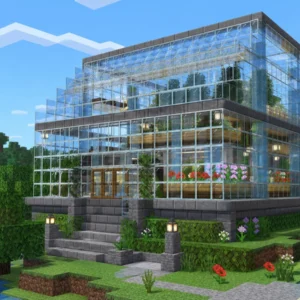
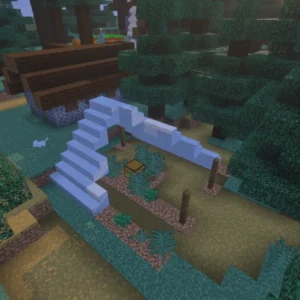
Stracciatella Shaders (by DrDesten) is probably the closest you’ll get to “subtle by design.” It’s built with the idea that better lighting doesn’t mean more color grading. The multi-light-sourced colored lighting is there, but it’s restrained. Look, you get realistic how light bounces off blocks, how shadows fall, how water actually looks when light hits it at different angles. No aggressive bloom eating up your render distance. No oversaturated sky making everything look like a pop music video.
The weight on your PC is mercifully light too, which is rare for shaders that genuinely look this good. I tested it on a mid-range system and got solid framerates even with fancy water and clouds enabled.
Dreamlight and Atmospheric Realism
Dreamlight Shaders takes a different approach. It aims for fantasy-inspired aesthetics without being cartoon-bright about it.
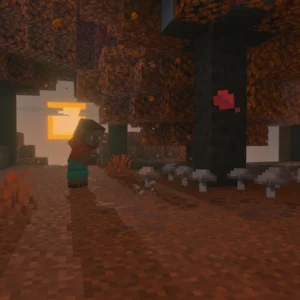
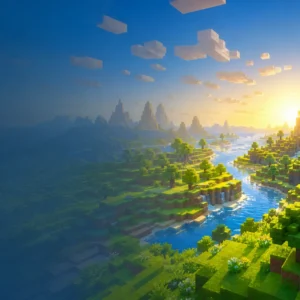
The color palette is warm but natural. Shadows have actual depth and blue-ish tones like real shadows do in nature. Sunsets look like sunsets, not like your game exploded into a fireworks show. It’s one of those shaders where you honestly forget you’re running a shader after five minutes, because everything just looks… right. Like how Minecraft would look if it had better lighting all along.
Testing on Your Own Server
If you’re hosting a private server and want to showcase these shaders to friends or players, optimization matters. You can use our Server Properties Generator to tweak performance settings and render distance to work smoothly with shader heavy lifting. Then use the Minecraft Server Status Checker to monitor how your server’s holding up once players are logged in running shaders. Frame drops come from different places, and knowing whether it’s server-side or client-side lag helps a lot.
Most subtle shaders actually don’t need crazy render distances to look good. Realistic lighting and atmospheric effects create visual depth without requiring you to see 32 chunks away.
The Performance Question Nobody Wants to Ask
Look, I get it. Shaders make things slower. But here’s what matters: these restrained packs are generally less demanding than the vibrant alternatives precisely because they’re not doing unnecessary effects.
You’re not calculating aggressive bloom on every particle. No overdone color grading eating GPU cycles. The lighting math is actually efficient because it’s not trying to make everything glow. If you’ve got a decent graphics card (even a few years old), you can run these without sacrificing playable framerates. I’m talking steady 60+ fps on a 1070 with high render distance and fancy water enabled.
Frame drops are rough.
But also, if your computer can barely handle vanilla Minecraft, shaders aren’t your answer anyway. The folks with solid rigs will benefit most.
The Quiet Wins of Subdued Visuals
What actually gets me about these subtle shaders is what they do for building. When you’re constructing something ambitious, oversaturated colors mess with your block palette perception. You can’t tell if your red and orange blocks are harmonizing or clashing because the shader’s making everything look vaguely the same temperature. With restrained shaders, you see your builds how they actually are. That’s invaluable for architecture.
And exploration feels different too. Caves become genuinely dark and a little scary in the best way. Forests have actual shadows and depth instead of being a uniform green blob. Storms look ominous. Sunrises feel earned.
It’s the difference between a shader making your world look better and a shader making your world feel better.
Installation and Staying Consistent
Getting these running is the same process as any shader: OptiFine for Java Edition (version 26.2 or compatible), drop the shader file in the shaderpacks folder, select it from the Video Settings menu. Nothing special. Both Stracciatella and Dreamlight work with recent Java versions without fuss.
One piece of advice though: don’t mix and match. One shader at a time. Stacking multiple shader effects breaks things and tanks performance for no good reason. Pick one that matches your vibe and stick with it for a while before switching. You’ll actually notice what works well in your builds that way.
Worth exploring honestly.
Source: Read the referenced page.