[ad_1]
We assumed frozen pipes were a problem we’d left behind when we moved to Florida, but last month’s arctic blast plunged nighttime temperatures into the low 20s for three nights straight, with a record low of 18 degrees — an event locals called once-in-a-century in Northwest Florida.
That was worrying because many homes in our area aren’t built for extended freezing weather. When water freezes it expands, and that expansion can crack or burst pipes, leading to leaks and potentially extensive water damage.
Fortunately, a few straightforward precautions kept our plumbing safe. Several neighbors still suffered burst pipes, so we’re grateful our preparations worked. Below are five practical tips that helped us, plus a plumber’s trick that saved our outdoor shower.
Tip 1: Identify Your Problem Pipes
Start by surveying your home to find pipes that are most vulnerable to freezing. Focusing on these areas helps you prioritize protection and monitor the right spots when temperatures fall. Common at-risk locations include:
- Outdoor fixtures such as hose bibs and outdoor showers
- Pipes in unconditioned spaces like garages, attics, or crawlspaces
- Plumbing on exterior walls
- Pipes tucked into cabinets or closets away from heat sources
- Pipes exposed to wind, such as those on docks
- Any uninsulated piping
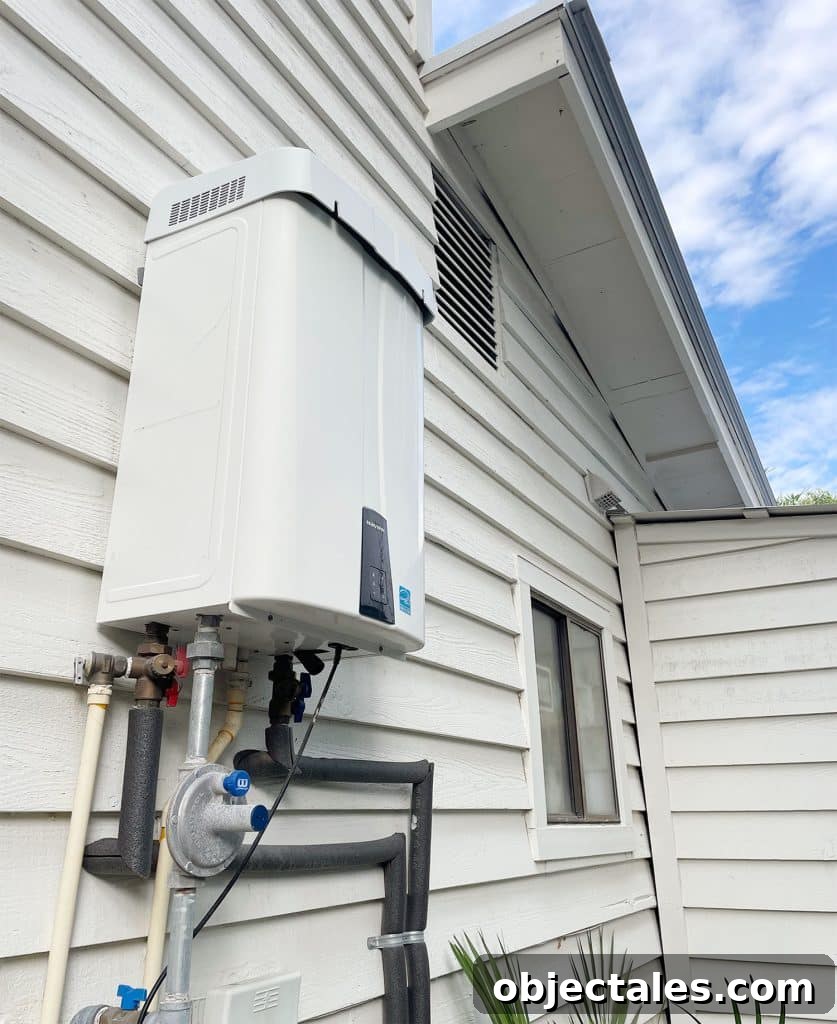
For us, exterior plumbing was the main concern — the water heater, outdoor shower, and hose bibs. Interior plumbing worried us less because we have a whole-house generator and expect to retain heat, but interior pipes can still freeze if they’re in cold, uninsulated spaces. Take note of those as well if your home might lose heat.
Tip 2: Add Insulation To Your Pipes
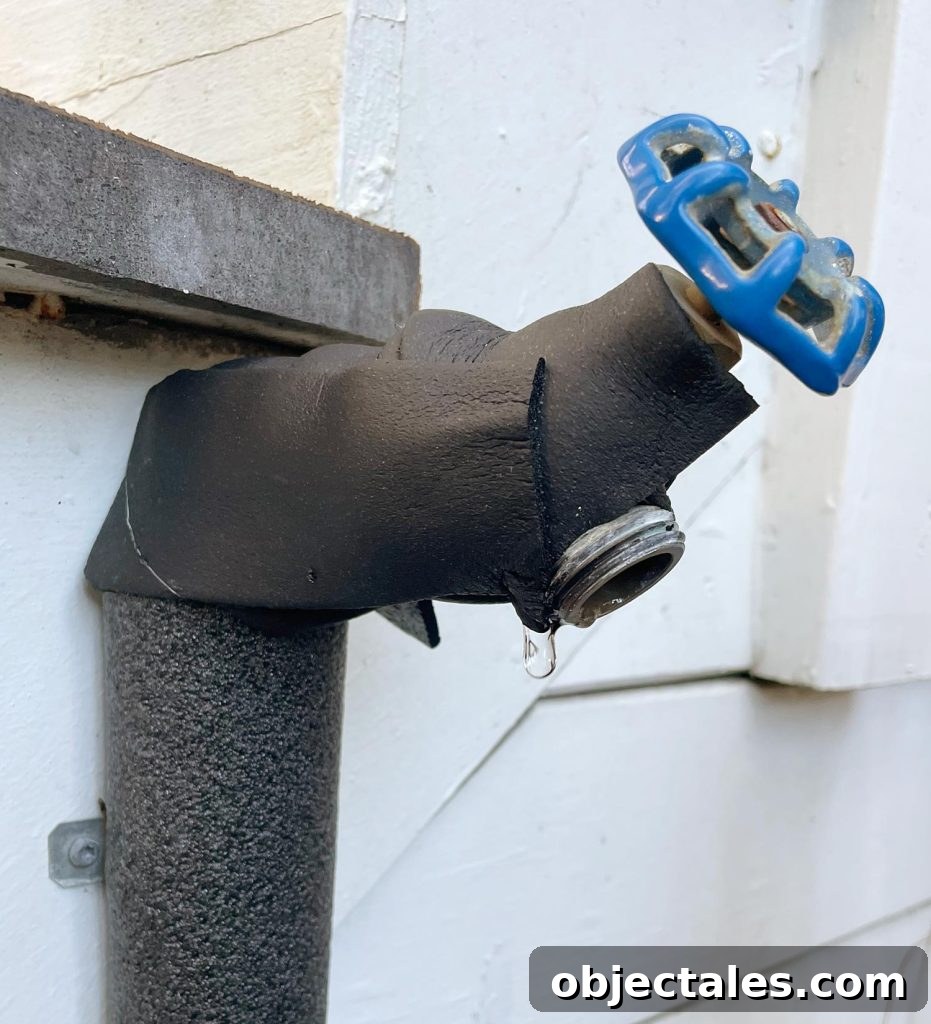
Insulating exposed pipes is one of the fastest and most effective defenses. We found several outdoor pipes had no insulation, including a long stretch of copper feeding our outdoor shower. We installed self-sealing foam tubular pipe insulation on those runs. It’s inexpensive and simple to fit, and you can supplement with insulating elbows and tees where needed.
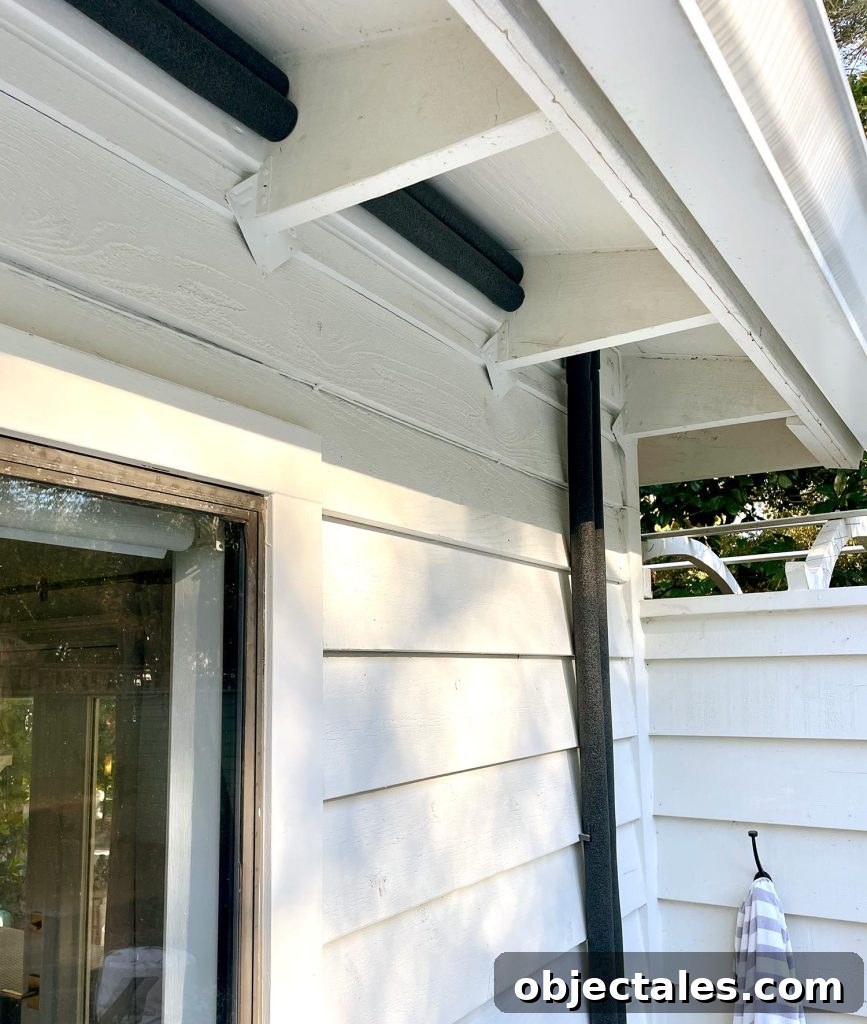
Where full foam tubes wouldn’t fit, adhesive insulating tape worked well on tight spots and knobby fittings. We also checked attic plumbing: blown insulation had shifted in one spot, so we brushed it back over the pipes. Even indoor pipes can freeze if they’re uninsulated and located in attics, garages, or crawlspaces, so give those areas attention too.
Tip 3: Drip Your Faucets
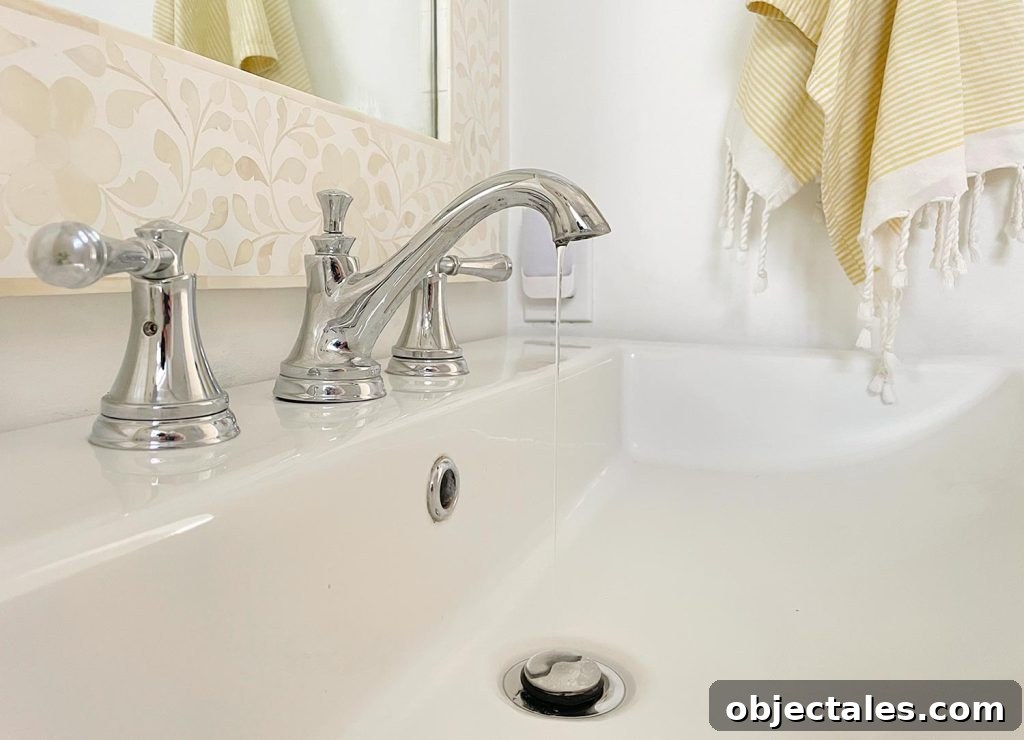
Keeping water moving prevents it from freezing as quickly. Letting faucets drip slightly — both hot and cold lines — reduces the chance of ice forming inside pipes. We found that dripping only the cold line isn’t enough; several neighbors who only dripped cold water still had hot-water lines freeze and burst. To be safe, keep both lines flowing at a tiny trickle.
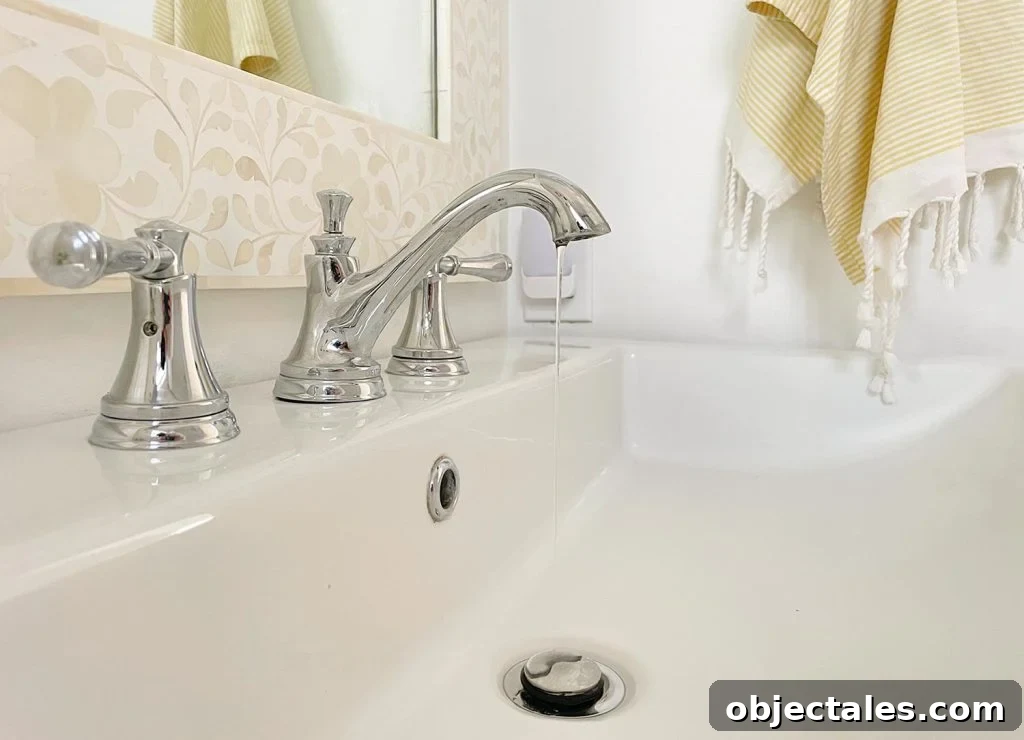
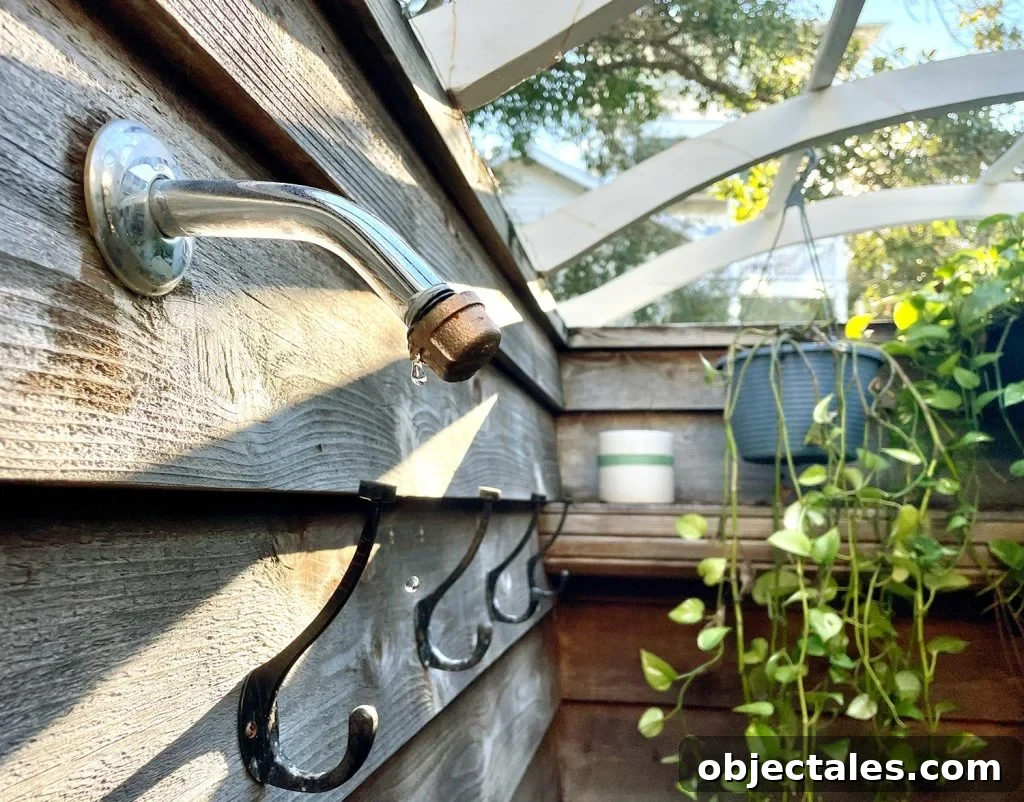
Inside the house we turned hot and cold levers slightly. The outdoor shower needed a different approach: a local plumber suggested removing the showerhead and capping the line but leaving the cap only hand-tight so a small drip could escape. That way the shower valve can be set to a mid-temperature and both hot and cold lines will flow slowly without spraying continuously. We kept all critical fixtures dribbling for the full three-day cold snap and checked them frequently for ice buildup or blockages.
While it feels wasteful to leave water running, the amount used by a trickle is small and far less costly than repairing burst pipes and water damage. In most cases the extra cost is negligible compared to the risk.
Tip 4: Turn Your Water Fully Off
If you prefer not to drip faucets, another option is shutting off water to parts of your home or the entire house. This works especially well for outdoor fixtures you won’t use in freezing weather. If you shut off the supply, remember to relieve pressure by opening the lowest outdoor faucet until flow slows; otherwise trapped pressure can still cause problems. Turning off water is also wise when you’ll be away and can’t monitor fixtures.
Tip 5: Pools Are More Resilient Than They Look
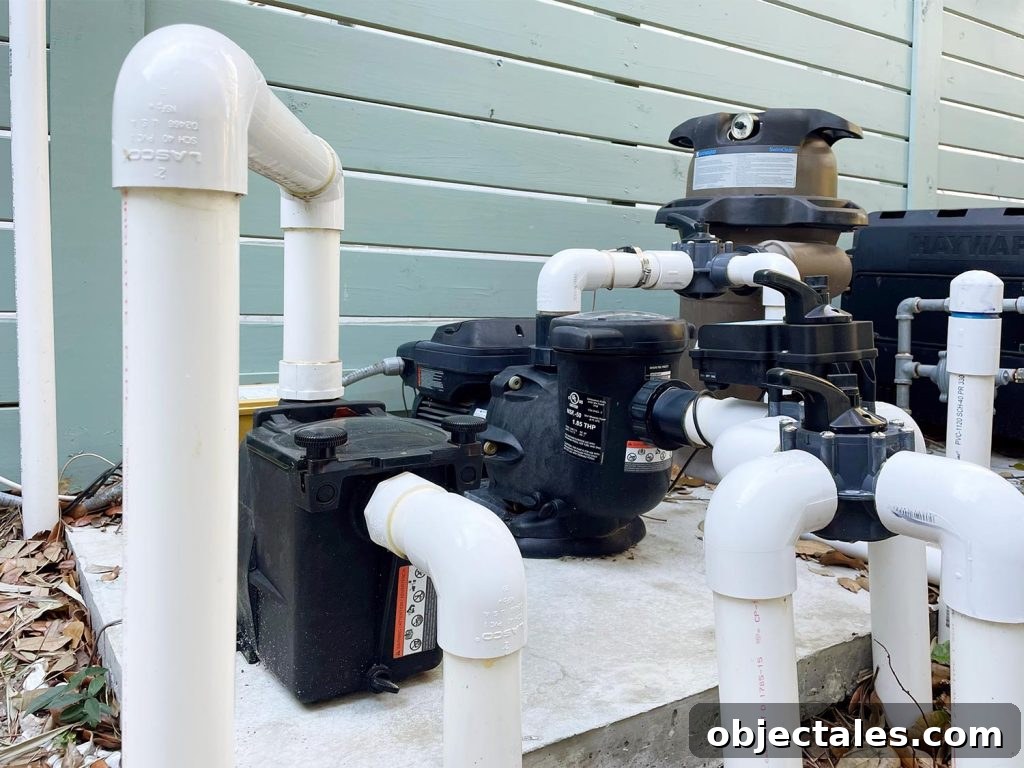
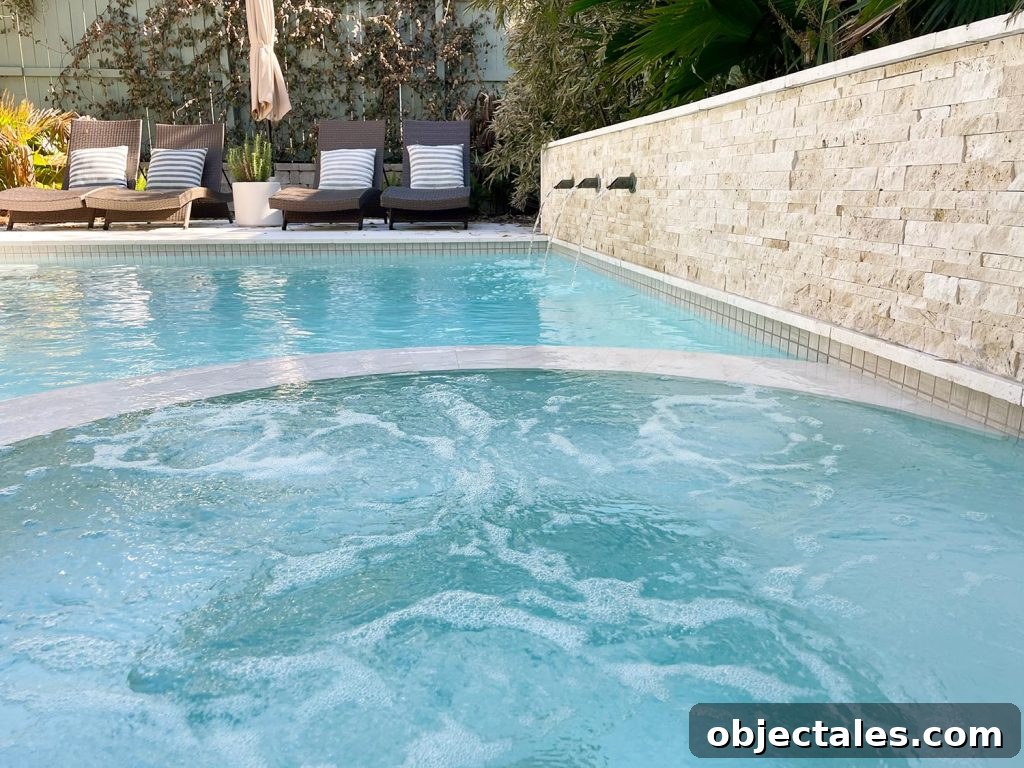
We were initially anxious about our pool plumbing because many pipes around the equipment appeared exposed and uninsulated. After talking with our pool technician we learned our system’s controller has a Freeze Protect feature that cycles pumps and equipment automatically when air temperatures fall, keeping water moving so it won’t freeze. Even without an automatic feature, running pumps continuously during cold snaps helps prevent freezing. Large PVC lines take time to freeze solid, so moving water provides significant protection. Still, it’s wise to consult your pool company before severe cold to understand how your specific system behaves.
Tip 6: Nothing Is Foolproof
No set of precautions guarantees every pipe will survive every extreme event. Variables like how a home is built, how long low temperatures persist, and unexpected power loss all affect outcomes. Still, taking these steps — identifying vulnerable pipes, adding insulation, dripping faucets, shutting off water when appropriate, and relying on pool freeze protection or pumps — significantly lowers the odds of damage. For us, these measures provided peace of mind and spared our home from plumbing issues during this rare cold snap.
More Freezing Weather Preparations
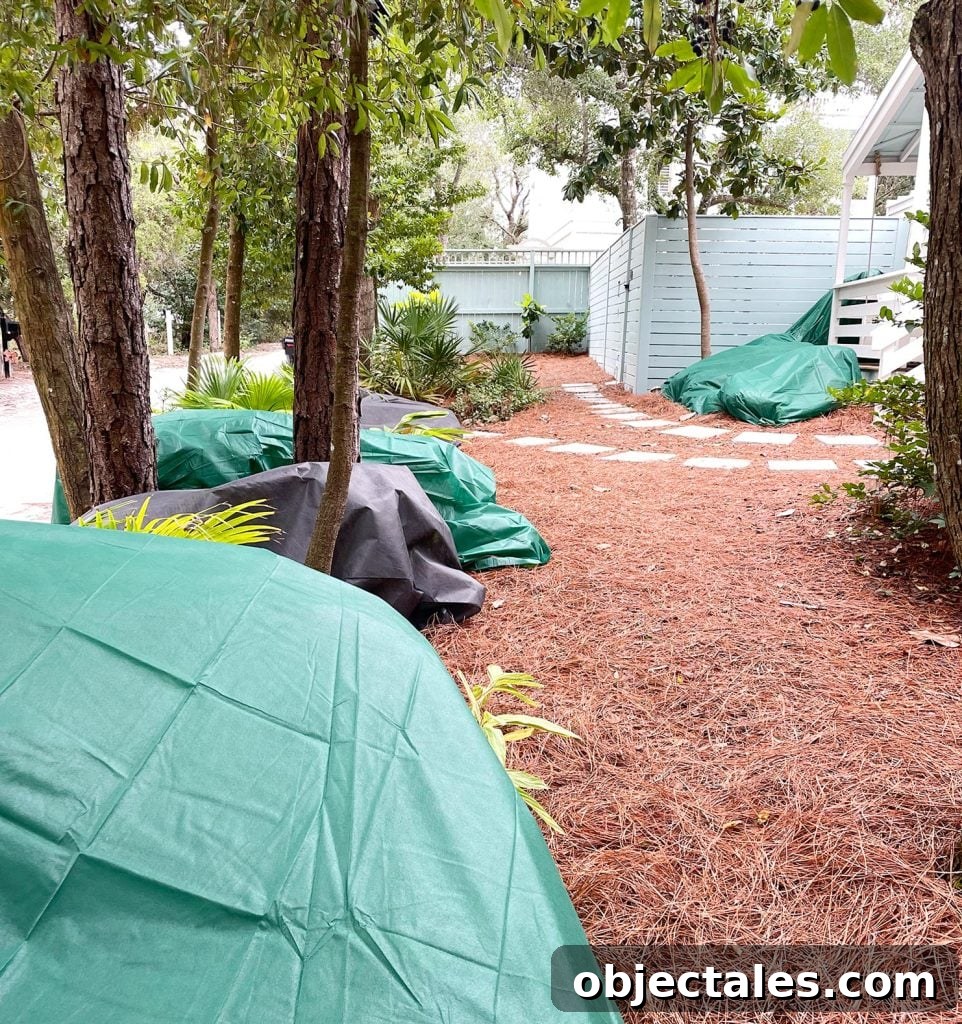
Alongside pipe protection, we took steps to safeguard outdoor plants and landscaping during the freeze. If your heat goes out, prepare for how to protect interior pipes and maintain essential systems. Small, timely actions can prevent costly repairs and preserve your home through an unusual cold spell.
[ad_2]